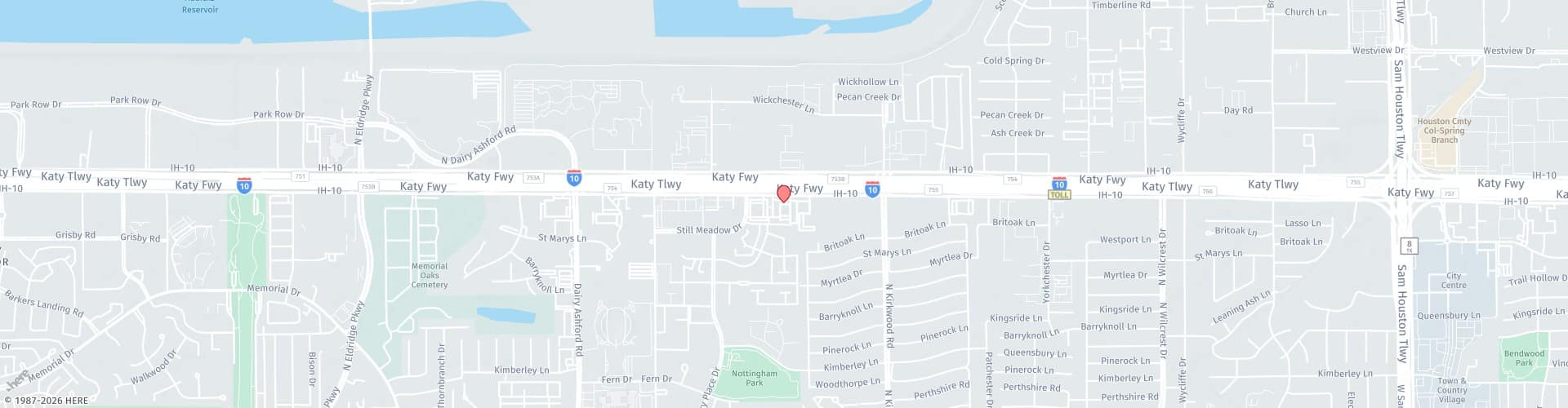

In Houston, TX, Dr. Ned Shimizu provides root canal care to preserve natural teeth whenever appropriate. He holds two DDS degrees, one from Hiroshima University School of Dentistry in Japan and another from Loma Linda University, and he is an Accredited Fellow of the American Academy of Cosmetic Dentistry.
The Infection May Continue Even if the Pain Changes
Tooth pain isn’t always a reliable way to judge what’s happening beneath the surface. Sometimes, an infected tooth hurts intensely. Other times, discomfort becomes less noticeable even though the infection remains.
An untreated infection inside the tooth can eventually lead to an abscess around the root. Signs that deserve prompt attention include:
- Persistent or severe tooth pain
- Pain when chewing or biting
- Lingering sensitivity to hot or cold
- Swollen or tender gums
- A small bump on the gums
- A cracked or chipped tooth
- Darkening of the tooth
Waiting Could Make the Tooth Harder to Save
Root canal therapy is designed to preserve your natural tooth. During the procedure, the dentist removes inflamed or infected pulp, cleans and shapes the inside of the tooth, and seals the canals. A crown or another restoration is often placed afterward to protect the tooth.
Delaying care can allow infection and damage to advance. In more severe cases, the tooth may eventually require extraction.
Untreated infection can contribute to bone loss and spread into nearby tissues. That’s why it’s worth addressing a recommended root canal even when the tooth isn’t interfering with your day very much.
What Happens During Root Canal Therapy?
Root canal therapy removes damaged or infected tissue while keeping the tooth in place. Dr. Shimizu evaluates the tooth using diagnostic imaging and determines whether root canal therapy is appropriate or a referral to a specialist would better serve your needs.
Local anesthesia is used before removing the pulp. The canals are then cleaned, shaped, filled, and sealed before the tooth receives the restoration needed for protection and normal function.
Don’t Give an Infection More Time to Progress
Delaying a root canal doesn’t give an infected tooth a chance to heal on its own. Getting the tooth evaluated sooner may give you a better opportunity to preserve it and avoid more complicated dental work.
Dr. Ned Shimizu provides root canal care in Houston, TX. Contact his office at 281-531-0710 to book an appointment and discuss treatment options.